

Bike and scooter prices after GST in India have seen major changes. Explore the updated price trends, impact on buyers, and what it means for two-wheeler lovers in 2025.

Bike and Scooter Prices After GST in India: Latest 2025 Update
When GST (Goods and Services Tax) was introduced in India, it completely changed the way vehicles were priced. For two-wheeler lovers, understanding bike and scooter prices after GST in India is essential, especially as demand for affordable mobility continues to rise.
In 2025, the Indian market for scooters and bikes is booming again, but the GST rate of 28% plus cess still plays a crucial role in shaping the final price. Let’s break down how GST impacts two-wheelers and what the latest price trends look like.
How GST Impacts Two-Wheeler Prices
Before GST, different taxes like VAT, excise duty, and road tax varied from state to state. After GST implementation, these were streamlined into a single taxation system.
-
For bikes under 350cc: A 28% GST rate is applied.
-
For bikes above 350cc: A 28% GST + 3% cess is applicable.
-
For scooters and mopeds: The same 28% GST applies, but manufacturers often provide subsidies or discounts.
This means smaller scooters and commuter bikes remain relatively affordable, while premium motorcycles are costlier after GST.
Current Scooter Price Trends After GST
Scooters continue to dominate the Indian two-wheeler market because of fuel efficiency, comfort, and affordability. Post-GST, here’s how prices are shaping up in 2025:
-
Honda Activa 6G: ₹77,000 – ₹82,000 (on-road, after GST)
-
TVS Jupiter: ₹74,000 – ₹80,000
-
Suzuki Access 125: ₹83,000 – ₹90,000
-
Hero Pleasure Plus: ₹72,000 – ₹78,000
Even with GST, scooters remain a budget-friendly option for middle-class families and daily commuters.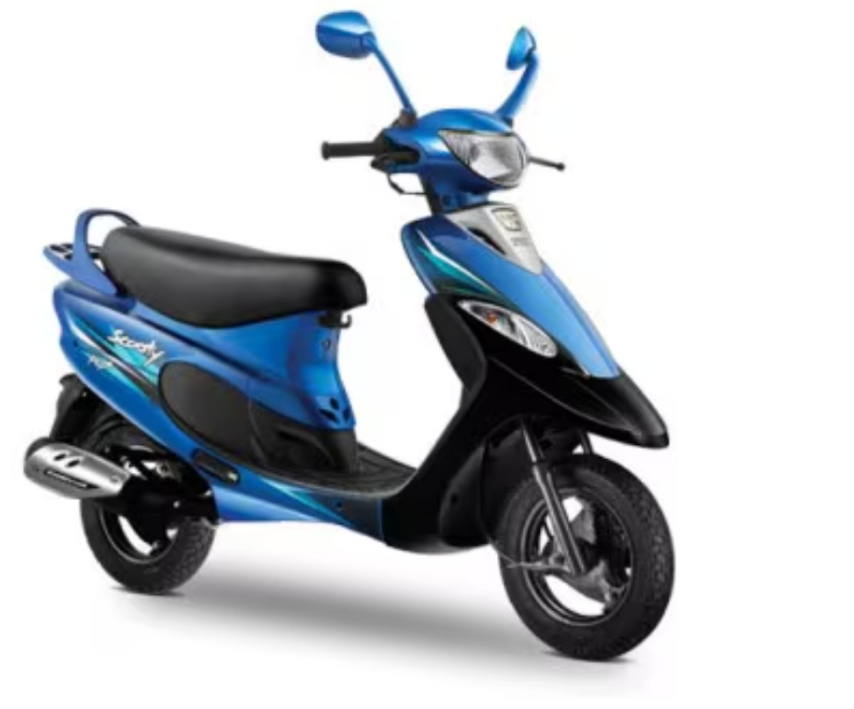

Current Bike Price Trends After GST
The impact of GST on motorcycles is more visible in the mid-range and premium categories. Entry-level bikes are still affordable, while high-end bikes cost much more due to additional cess.
-
Hero Splendor Plus: ₹74,000 – ₹80,000
-
Bajaj Pulsar 150: ₹1.1 lakh – ₹1.2 lakh
-
Yamaha FZ-S V4: ₹1.3 lakh – ₹1.4 lakh
-
Royal Enfield Classic 350: ₹1.9 lakh – ₹2.1 lakh
-
KTM Duke 390: ₹3.1 lakh – ₹3.3 lakh (includes GST + cess)
This pricing shows that GST has a heavier impact on premium bikes compared to commuter models.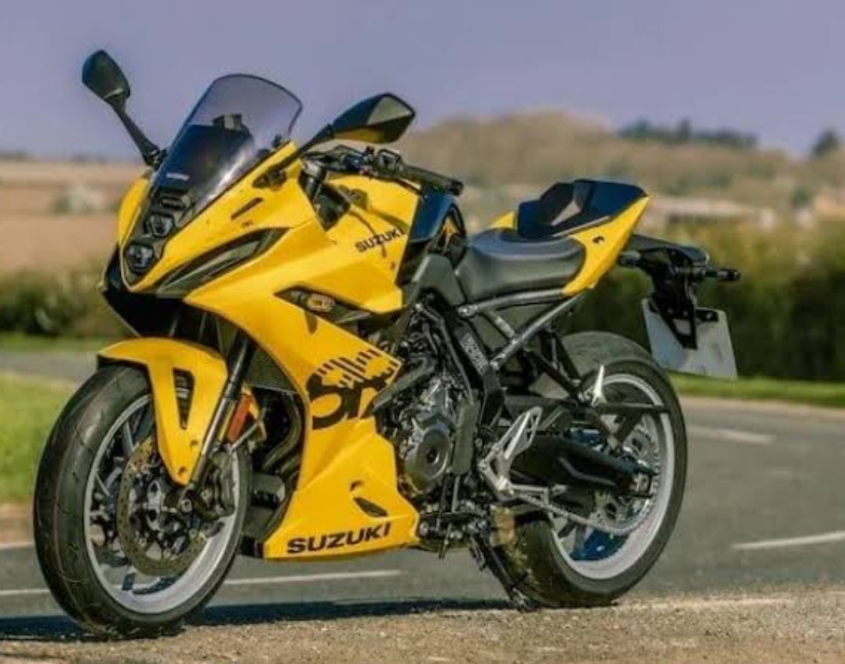

GST Impact on Buyers
For buyers, the bike and scooter prices after GST in India create a mixed situation:
✅ Affordable for commuters – Most scooters and entry-level bikes remain within reach.
✅ Uniform tax – No more state-to-state price confusion.
❌ Premium bikes costlier – Heavy GST and cess make big bikes less attractive.
❌ On-road cost higher – Insurance, RTO, and GST combined increase the total amount.
What the Future Holds
With the government encouraging EV adoption, the GST rate on electric two-wheelers is only 5%, compared to 28% on petrol bikes. This means e-scooters like Ola S1, Ather 450X, and Bajaj Chetak are becoming more attractive for Indian buyers.
Experts predict that if fuel costs remain high, demand for EV scooters and bikes will grow rapidly, and GST benefits will push more people toward eco-friendly options.
The bike and scooter prices after GST in India highlight how taxation shapes affordability. For daily commuters, scooters and entry-level bikes are still the best picks, while luxury bikes feel the pinch of higher GST and cess. With EVs enjoying lower GST, the two-wheeler market is heading toward a greener future.
If you’re planning to buy a new scooter or bike in 2025, keep GST rates in mind and compare on-road prices carefully before making the final decision.